Alberta Low Carbon Cohort

The Alberta Low Carbon Cohort, offered by the CRIS and supported by the Municipal Climate Change Action Centre, ran from October 2025 to April 2026.
The first CRIS program offered specifically to Alberta communities, this cohort provided access to one-on-one expert support, as well as targeted education and peer-to-peer learning via webinars and working groups.
Ten participants were matched with an industry expert to help advance their selected low-carbon infrastructure projects.
Participants received support to scope and manage their projects as well as prepare for implementation through energy audits, decarbonization plans, and feasibility studies.
Cohort At a Glance



Projects Advanced through the Cohort
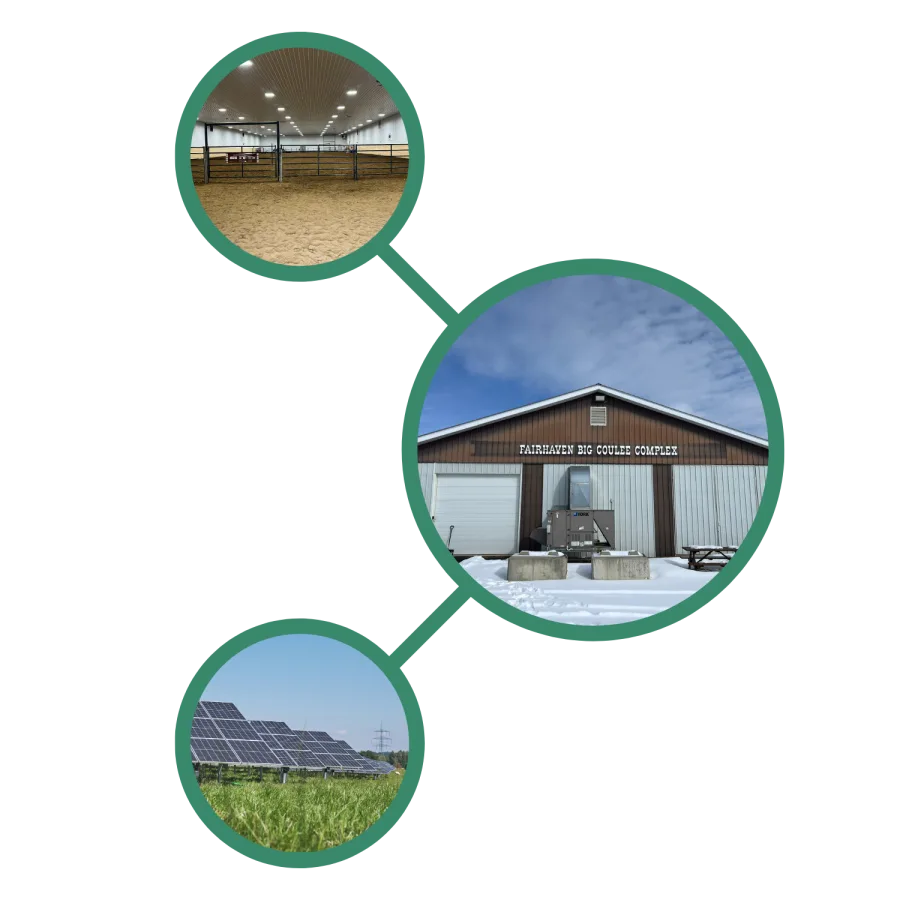
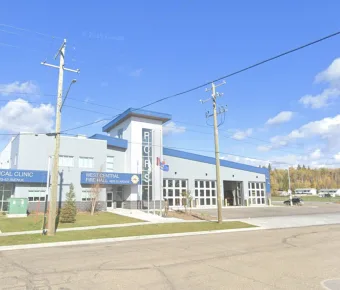
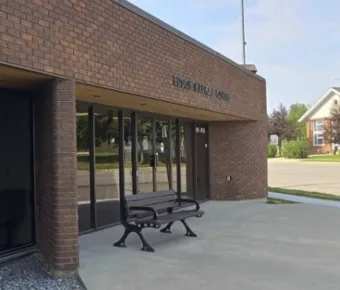
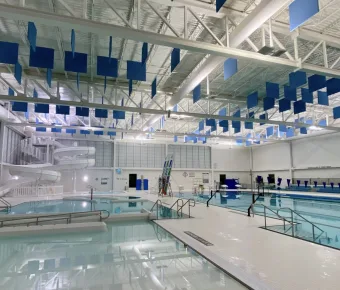
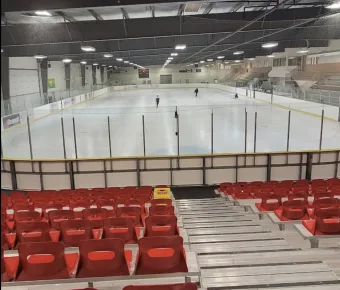
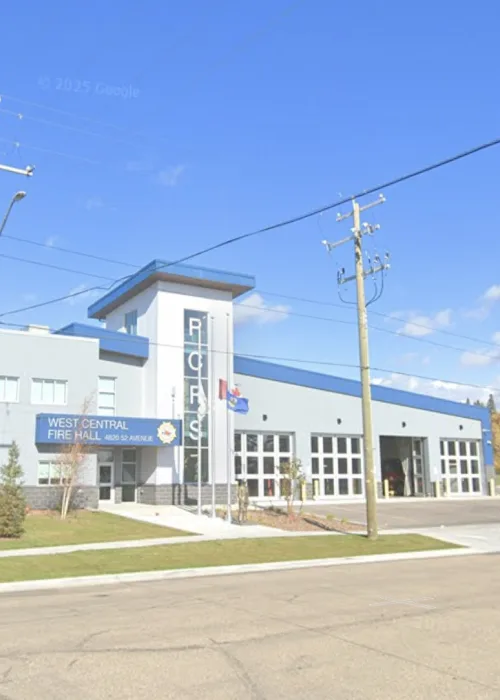
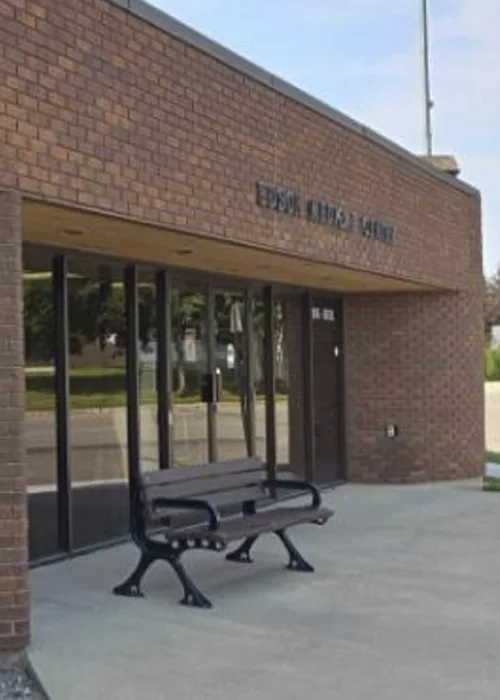
A wide range of local infrastructure was represented including:
- Town halls and administration buildings
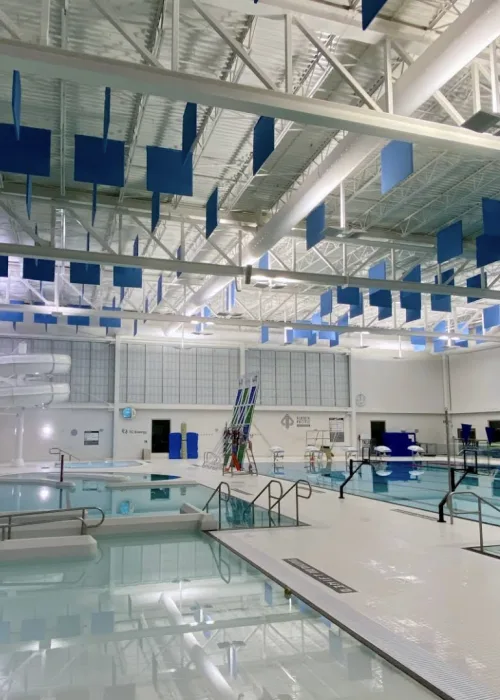
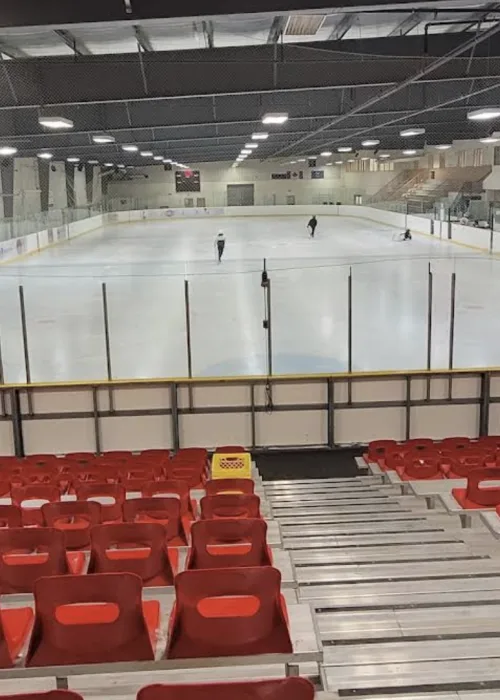
- Recreation Centres and arenas
- Ski Resort Chalet
- Library
- Medical Centre
These projects show the variety of infrastructure managed by Alberta communities that is need of support and highlight how technical knowledge and peer learning help build local capacity.
Participants received one-on-one expert support and technical options tailored to their projects. Projects advanced through the cohort included:
- General energy audit and retrofit planning
- Feasibility Studies for
- Solar Photovoltaic Systems
- Heating, Ventilation, and Air Conditioning improvements and replacements
- Building envelope upgrades
- Climate risk reduction, cost savings, and comfort co-benefits
Webinars and Peer Learning
This session provided a high‑level overview of pathways for reducing emissions from municipal buildings, including electrification, fuel switching, and aligning retrofits with capital planning.
This webinar focused on common retrofit challenges, lessons learned from municipal case studies, and practical considerations for planning and delivering building retrofits.
This session explored what to do after an energy audit, including interpreting results, engaging stakeholders, sequencing upgrades, and preparing for implementation.
Participants also took part in three facilitated working groups, designed to apply webinar learning and expert insights to real projects. As a group, participants were led in activities and discussions to refine the scope of their projects, share their progress, and learn from each other.
"The support provided by CRIS has been highly valuable. The process was hassle free from application to final product. Having the CRIS team not only provide the funding, but also set up the agreements and contracts saves so much time and effort."

"We were very satisfied with our engagement with CRIS. The team was responsive, knowledgeable, and collaborative throughout the process. The study helped us identify energy‑saving opportunities and practical measures by leveraging subject‑matter experts that were well matched to our needs through the program. Overall, it was a positive and well‑managed engagement that supported informed decision‑making."
"Our experience with CRIS was very beneficial and their team was great to work with. They connected us with a very knowledgeable and professional Expert support."
Get involved in our next Alberta Cohort
Building on the success of the Alberta Low Carbon Cohort, CRIS has now opened the Alberta Climate Resilience Cohort in partnership with the Municipal Climate Change Action Centre and will be accepting applications from April to August 2026. This second Alberta focused cohort will focus on adaptation and resilience projects with similar expert support and peer learning opportunities.